
Proper church cleaning requires more than just standard janitorial services. Churches often have historic surfaces, including old wood, stone, stained glass, and other delicate materials. On top of that, churches have high ceilings that require special maintenance to keep them dust-free.
These surfaces require expert cleaning techniques and specialized products to get the job done safely and prevent damage.
At Corporate Cleaning Group Charlotte, we provide expert church cleaning for religious buildings across Charlotte, NC, and the surrounding areas. Contact us today to learn more.
5 Church Cleaning Methods That Preserve Historic Architecture
Churches require special care to maintain their surfaces, particularly if they have historic architecture. Basic janitorial services often aren’t equipped to handle these spaces, and can potentially cause damage to delicate items.
If you want to preserve your church, you’ll need to work with an experienced church cleaning team. Professional church cleaners have experience with:
Expert Masonry Care
Historic stone, brick, and mortar are porous surfaces. Over time, they develop a crust on them as they’re exposed to environmental pollutants and moisture.
These surfaces can easily be damaged by modern pressure washing and acidic cleaners. Using the wrong chemical can strip the protective patina off of the stone, causing the surface to flake off. Acidic chemicals can also lead to accelerated erosion of mortar.
Instead, the best way to remove pollutants and excess moisture is with low-pressure steam and pH-neutral detergents.
These gentle solutions safely lift organic growth off the surface without driving water into the stone. This preserves the surface’s structural integrity for years to come.
Gentle Wood Restoration
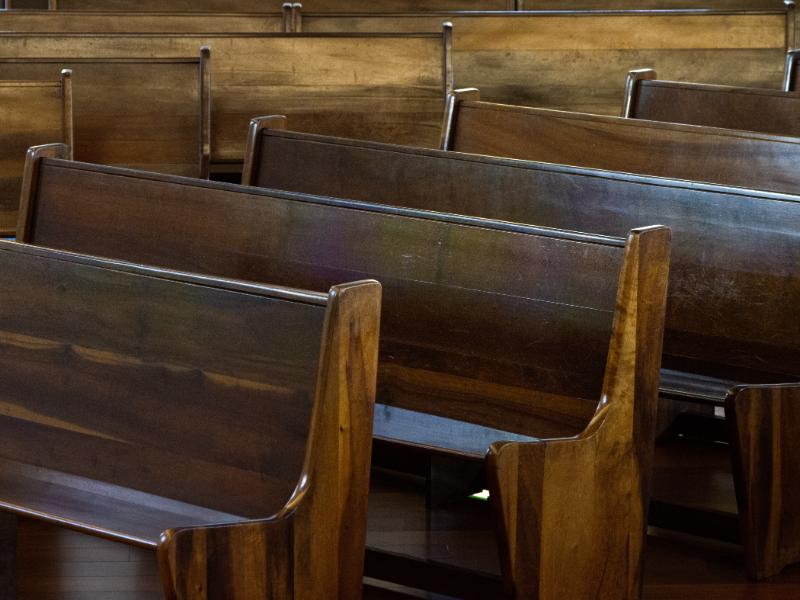
Hand-carved pews, altars, and wainscoting are features of many churches, and must be cleaned carefully. Modern sprays are not a good choice to use on wood, since they contain silicones that create permanent buildup.
Harsh detergents should also be avoided, as they strip away the wood’s natural oils. Over time, this can lead to the wood cracking and warping.
The best way to preserve delicate wood is by using a micro-fiber cloth for dry-dusting. This should be followed by a damp-wipe using specialized wood soaps.
These products are designed to maintain the wood’s moisture content as well as protect the glow of the original finish. Unlike regular cleaners, they don’t leave behind any chemical residues that attract more dust.
Stained Glass Maintenance
Stained glass is often the most valuable asset in a historic church. This glass is incredibly fragile, and the frames that hold them together usually soften with age.
For stained glass, it’s essential to avoid traditional glass cleaners. Ammonia-based solutions can chemically react with the lead cames that hold the glass in place. They can also destroy any hand-painted details. This can lead to permanent clouding of the glass and corrosion of the metal framework.
To effectively clean the glass, you’ll need to use deionized water and non-ionic detergents. These solutions should be applied with natural sponges, and heavy physical pressure should be avoided.
Instead, church cleaning technicians use a soak and blot technique that carefully removes soot without compromising the structure of the lead frame.
Floor Protection
Historic church floors endure high volumes of foot traffic each day. This means they require a unique approach to cleaning. Traditional wax stripping is far too aggressive for original wood or stone floors, and water can quickly lead to rot.
To protect the integrity of floors, professional church cleaning crews use a low-moisture, dry scrubbing technique. This method lifts away dirt using minimal liquid, and applies a layer of breathable finish to keep the surface protected from grit and moisture.
Dust Mitigation in Vertical Spaces
Historic churches feature vaulted ceilings, high rafters, and ornate crown moldings. These elements attract dust and allergens, and without removal, the dust can combine with humidity to destroy plaster and paint.
Dust removal in vertical spaces requires a unique cleaning approach that standard janitorial services can’t provide.
Church cleaning experts use HEPA-filtered backpack vacuums with extendable carbon-fiber poles to reach high areas. This prevents the need for heavy scaffolding that can damage the floor or pews below.
Work with Our Church Cleaning Experts in Charlotte, NC
If you need church cleaning services, look no further than Corporate Cleaning Group Southeast Charlotte & Northwest Charlotte. Backed by 30+ years of experience in commercial cleaning, our team is skilled at handling the unique needs of churches and other places of worship.
Led by managing partners Richard Hermann and Tom Tymann, our staff is committed to providing consistent, quality cleans. We have deep knowledge of working with historic surfaces, and take great care to protect your church’s surfaces.
Want to learn more? Call (704) 247-6622 for Charlotte Northwest, or (704) 242-3190 for Charlotte Southeast. You can also contact us online for more information.